
Category: Post
Navigating the Mysteries of our Faith: A Journey with Saint Thomas

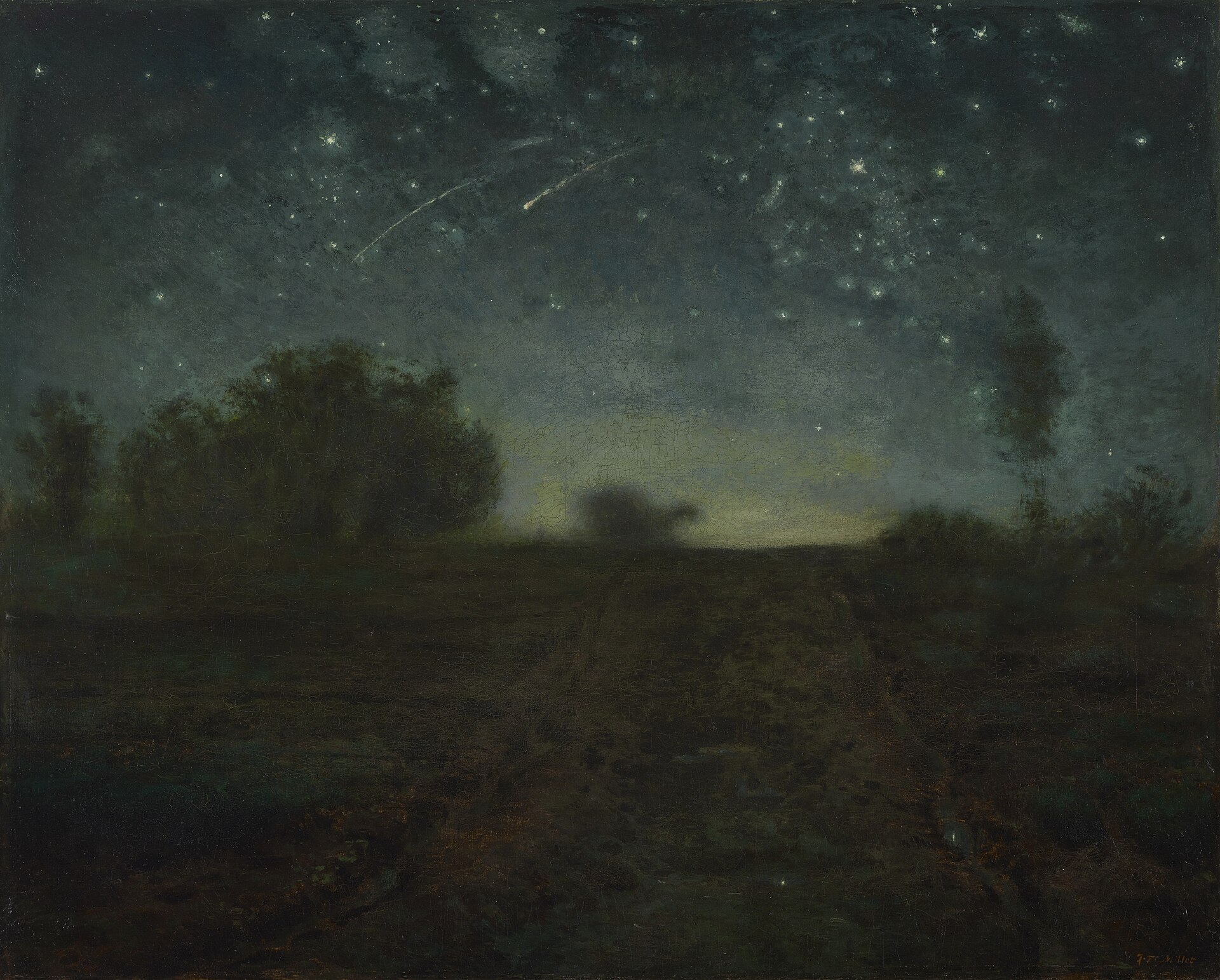
Whenever we take the time to look up and quietly gaze at the night sky, our hearts are almost inevitably drawn to deeper questions about reality, truth, and our place in the universe. In a recent Apostolic Letter, Pope Leo XIV , spoke of “Catholic educational constellations,” (Feb., 12, 2026) stars by which we can navigate our lives with hope. Gazing upon the truth, we are able to expand our understanding of reality, and come to a more intimate relationship with God who is Truth.
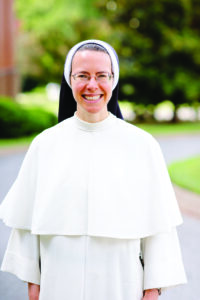
While the night sky opens our hearts to wonder, a seasoned star-gazer increases our appreciation of the intricacies of the heavens. For Sister Agnes Schreck, a Dominican Sister of Saint Cecilia, studying the works of Saint Thomas Aquinas increased her delight in and understanding of God and the mysteries of the faith. As a 2024 graduate of the Master of Arts in Thomistic Studies program at PFIC, Sister Agnes found immense joy in having time set aside to ponder the deeper mysteries of the faith and some of the more theologically complex questions.
Sister Agnes remembers that one professor described studying the truths of the faith as “developing an interior monastery” wherein one becomes oriented to the truths of the faith and how they are connected to each other. The principles are easier to access because they are interwoven within and integrated into the person. By studying the mysteries of the faith through the synthesis of Scripture and the Church Fathers provided by Aquinas, she explained that one can more easily develop an interior map or orientation to these sacred truths.
The Thomistic Studies program is an intensive journey, designed over four consecutive summers, yet Sister Agnes found it deeply renewing to study alongside other religious and laity. The summer courses helped Sister to to prepare for her apostolic work as well.
Working with university students in the Netherlands, she sees that they are bolstered by an approach to faith that shows that faith is not contrary to reason. They love learning the coherency of the faith. Previously, she taught middle schoolers. She noted that middle schoolers in particular raise objections and exceptions. Through her summer studies, she could see that these questions have been perennially asked, and that the great minds in the Church have pondered these questions. “There became rooted in me a deeper peace in the beauty of the deposit of our faith and reverence for the mysteries of our faith. I had more confidence to articulate and apply the principles I had studied.” The gift of study allows us to, in turn, be able to bring to hope to others who are seeking the Truth.
Sister was delighted to study Saint Thomas more deeply not only because she is a Dominican, but also because he had a special devotion to her own patroness, Saint Agnes. She shared that, in Father Torrell’s first volume on Saint Thomas, he explains that Thomas prayed for the healing of his assistant, Father Reginald through her intercession. When Father Reginald was healed, Saint Thomas asked that each year on the Feast of Saint Agnes, there would be a celebration feast. He also carried her relics around with him.
The “interior monastery” that Sister Agnes built through her studies helps her to see the fruitfulness of asking questions and being in dialogue with the teachings of the Church. Like the constellations in the night sky, the truths synthesized by Saint Thomas Aquinas remain fixed and bright, offering a reliable map for anyone seeking to navigate the mysteries of God with both reason and wonder.
From Blueprints to the Summa: Building the Kingdom with Saint Thomas Aquinas
For some, the phrase “rigorous academic study” sounds intimidating; for Sister Theresa Joseph, O.P., it was an invitation. In a recent conversation with Sister Theresa Joseph (STB ’23), I was struck by her frequent emphasis on the academic intensity of the Pontifical Faculty of the Immaculate Conception (PFIC). Rather than finding this daunting, Sister experienced it as life giving and life transforming. “I didn’t begin advanced studies to become an intellectual guru,” she explained, “but in order to live my religious life better.”
For Sister, the Dominican Friars’ approach elucidated that study is a formative act: when the intellect is rightly informed, it transforms the entire person. By upholding high standards, the professors didn’t just offer a grade; they offer the authentic teachings of St. Thomas Aquinas, and they ask the best from their students, a gift she grew to appreciate precisely because of the challenge it required. She also had always wanted to study the Summa, and knew that she could receive that at DHS.
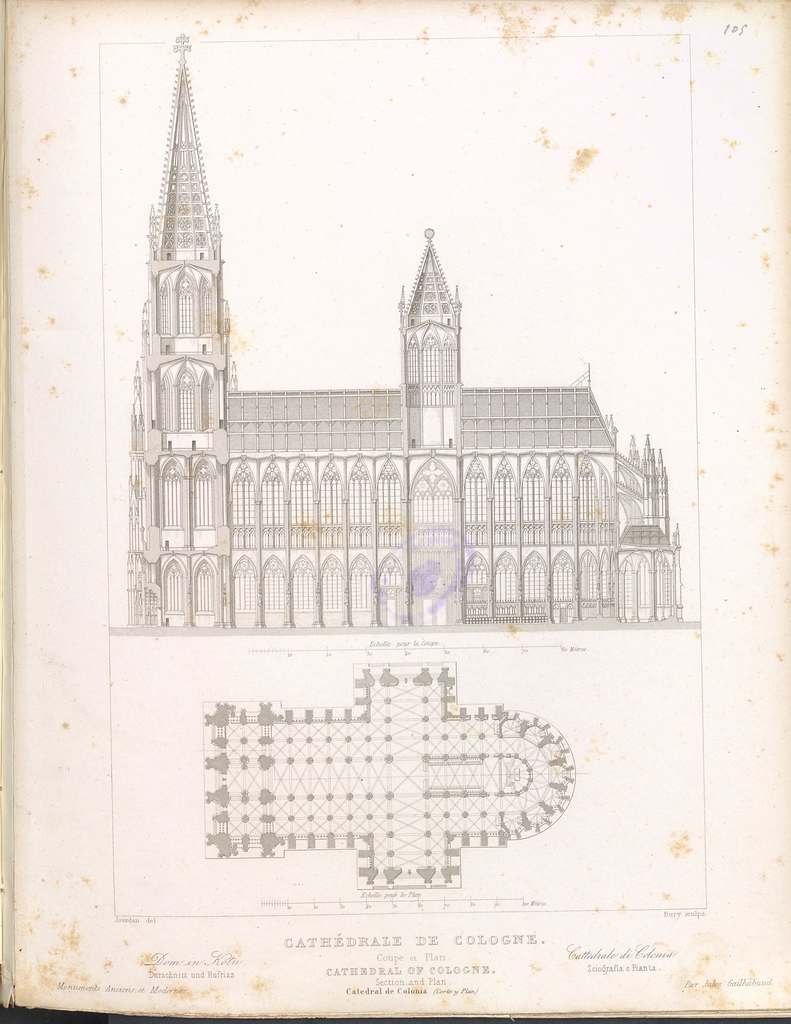
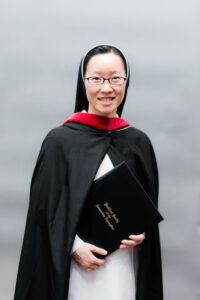
Sister Theresa Joseph Anh Nguyen is a perpetually professed member of the Dominican Sisters of Mary Immaculate Province, located in Houston, TX. She recently shared her journey of studies at the PFIC, as well as where she is currently assigned. Before becoming a Dominican Sister, Sister Theresa Joseph studied architecture as an undergrad and then earned her Masters in Business Administration. She was planning on becoming a construction or project manager. However, the Lord had other plans for her, as she explained: “I became employed by the Lord, to build His kingdom one student at a time.”
While Sister had long desired to study Scripture and teach at the University, it was not something her community has typically been engaged in as an apostolate. Sister was happily satisfied teaching PK-2nd grade religion, and forming young souls in the faith. In what Sister recognizes as Divine Providence, a series of events happened during the time of the pandemic in which a variety of assignments were simply not coming to fruition, and so her Superior decided that perhaps advanced studies would be an option.
When researching institutions, the PFIC stood out as the only option offering consistent in-person classes—a priority for Sister, despite the lack of a local community in D.C. Sister elaborated on her preference for in-person classes. Drawing on her experience from teaching the Catechesis of the Good Shepherd program, she believes that students learn better when all the senses are engaged and when they have a relationship with the teacher. “Virtual programs can hinder serious learning,” she asserts, “because the absence of a personal relationship with the teacher affects how the material is received.” For her, being physically present in the classroom fostered a deeper level of commitment, exchange of ideas and a more fruitful reception of the Dominican charism.
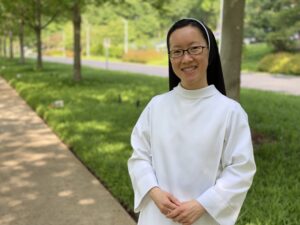 Sister Theresa Joseph is currently writing her tesina towards an STL degree in Biblical Studies at the Catholic University of America, building on the Thomistic foundation she received at the PFIC. She is exploring the topic, “Mary and the head of her enemy.” She remembers even from her childhood seeing statues of Mary, standing on a serpent. Now, she is grappling with how Mary participates in our redemption. Is the image of her crushing the serpent’s head merely a pious devotion? Sister uses Aristotelian and Thomistic principles as building blocks to answer this question. She explained, “As Christ’s humanity serves as a conjoined instrument of His divinity in the salvation of humanity, so is Mary an instrumental cause in Christ’s redemptive work. Her Fiat at the Annunciation, her motherhood at the Incarnation, and her intercession at Cana initiates the chain of causes that moved Christ to Calvary, the place where the head of the serpent is crushed.”
One of the greatest gifts Sister took from the PFIC was a unified theological picture. Though she had taken theology courses before, she had a hard time seeing how everything connected and fit together. Studying the Summa Theologiae systematically—moving from the Trinity to creation, the human person, Christology, Sacraments, and finally to Eschatology—allowed the pieces to click into place. Now, she is eager to share this holistic vision with her future students, helping them realize their full potential as Catholics.
“My intellect was formed and my spiritual life was transformed,” she says. “I realized that what I do as a moral human person is part of God bringing me back to Him.” As Sister’s own patroness Saint Thérèse, would tell us,
All the saints have understood and in a special way perhaps those who fill the universe with the radiance of the evangelical doctrine. Was it not from prayer that St Paul, St Augustine, St John of the Cross, St Thomas Aquinas, Francis, Dominic, and so many other friends of God drew that wonderful science which has enthralled the loftiest minds?
It is first through a life of prayer and for the sake of loving God, that the intellectual studies become fruitful. This contemplation allows us to gaze on Christ, and Sister Theresa Joseph is now once again contemplating Christ with Mary, as she further engages in her tesina writing.
Sister shared that when she expressed gratitude to her Superior for the gift of further study, her Superior responded: “Study is a gift for your religious life and for the community.” The fruits of these studies are truly not just a gift for oneself, but for the hope of the world. May we all be granted the grace to learn to better appreciate the gift of contemplating the truths of our faith, through prayer and diligent study!
1 Thérèse. Story of a Soul : The Autobiography of St. Thérèse of Lisieux. Second edition. Washington, D.C.: ICS Publications, Institute of Carmelite Studies, 1976. (Ms C, 36r).
Studying in Service to the Church for the Renewal of Religious Life
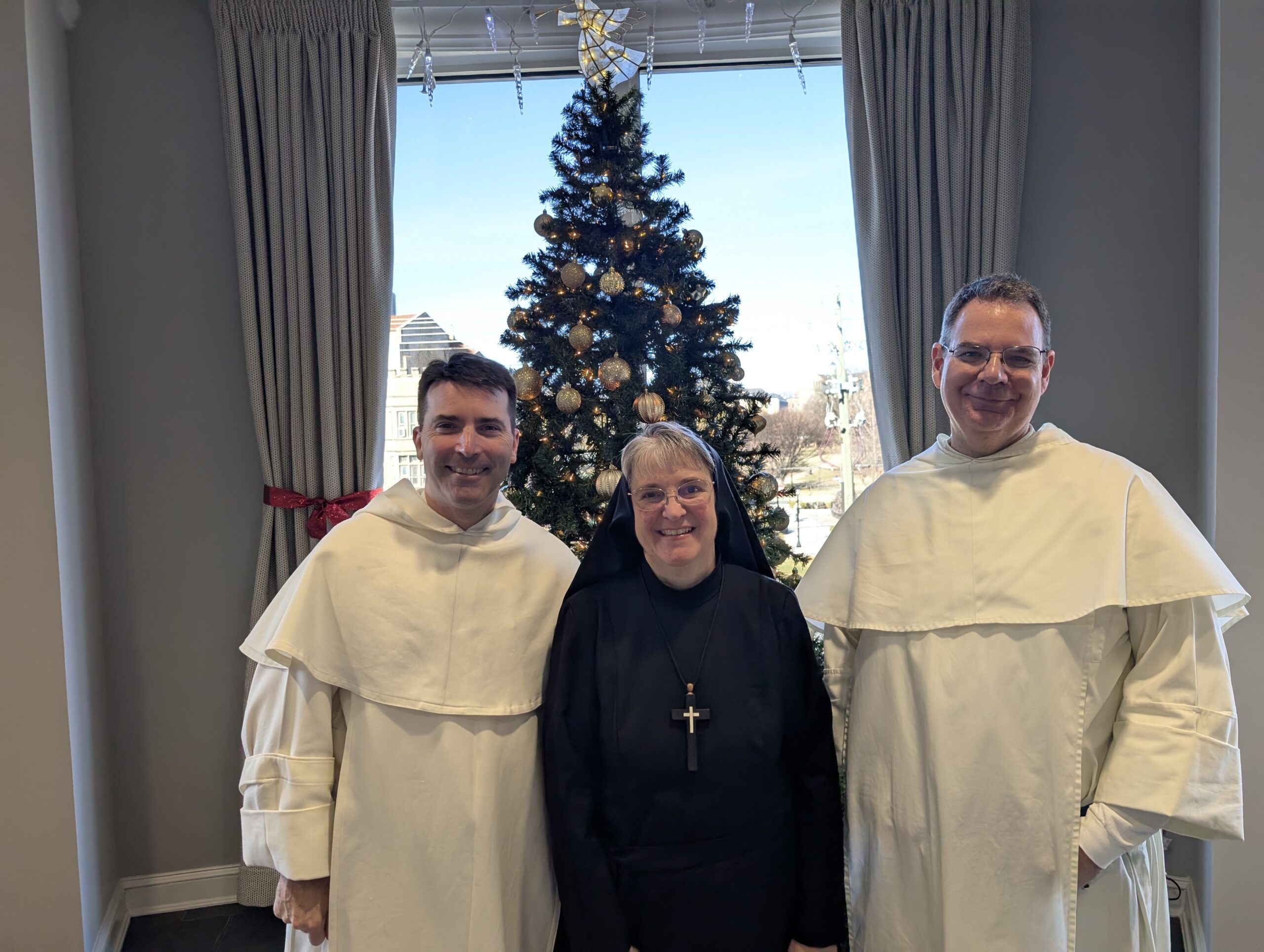
In December 2025, Sister Mary Joanna Ruhland, a perpetually professed member of the Religious Sisters of Mercy of Alma, MI, successfully defended her doctoral thesis, “The Renewal of Religious Life as a Path of Deification: A Thomistic Approach.” Following her defense, Sister Mary Joanna reflected on her time at the Pontifical Faculty of the Immaculate Conception (PFIC) and how the program has formed her for future service in the Church.
For consecrated religious, the decision to pursue studies often emerges from a dialogue of obedience. Sister Mary Joanna noted that her community chose the PFIC not only for its fidelity to the Magisterium but for its rigorous academic standards. A unique aspect of studying at PFIC is that the asceticism and discipline of study is integrated with living a life of grace through the sacramental life and contemplation of truth. She emphasized that the faculty views intellectual development as the “heart of the spiritual life.” This does not mean that one needs to be brilliant to be obedient in religious life, but that obedience as an expression of loving God with one’s whole heart, mind, and soul means using our God-given rational faculty to know Him and love Him as perfectly as possible. In relation to the intellectual life, Sister said, “DHS’s mission to cultivate every student’s inclination toward truth means that they are dedicated to help students recognize errors of thought that have led oneself or others away from God as First Truth. My dissertation contrasted a proposal for the renewal of religious life that inherently contained errors about the moral life, and, because religious life is the fullest expression of the moral life, about religious life. Recognizing these errors help us become more like God and in closer union with God by the perfection of our love for God. This deification prepares us to enjoy a most perfect union with God in heaven.”
She offered particular praise for the library staff, specifically Father John Martin. “As a religious, Father John Martin understands the vow of poverty that we make” she explained. “Voluntary poverty is not an obstacle to the intellectual life (which, again, is at the heart of the spiritual life). Rather, it is a particular approach to if and how we possess and use the material goods of this world; this approach is shaped by a greater good, namely, the divine good by which God blesses us, and the common life we share with others in the Church and in our religious community.” She described the staff as gracious and tireless in their willingness to help her locate necessary resources, especially when she was living in another country and didn’t have immediate access to the library.
When asked if she gained new perspectives on Catholic theology, Sister highlighted the “architectonic” nature of Aquinas’ sacred teaching. Sister elaborated: “My doctoral studies helped me understand St. Thomas Aquinas’ sacra doctrina (sacred teaching) in a new and deeper way. St. Thomas Aquinas has a comprehensive vision of human life, not just “from womb to tomb,” but from creation to eternal life. His threefold vision of nature, grace, and glory, teaches that we are created by God for a particular end or purpose (namely, to enjoy eternal life with God in glory), and that we are created with a capacity to participate in our journey to that end. St. Thomas Aquinas considers our path of growth and development in terms of nature, grace and glory. We can be progressively united to God because our nature is created with a capacity to receive the grace of God. By this grace, and with our cooperation, our love for God and others is perfected. By this perfection or development, we are prepared to, God-willing, receive the beatific vision of God in heaven. When St. Thomas Aquinas teaches that religious life is a state of perfection, he thinks of this perfection in terms of our nature’s capacity to be deified (made like and united to God), how the grace we receive from God through the sacraments, virtues and Gifts of the Holy Spirit deifies our nature, and the fulfillment of this perfection in glory.”
This Thomistic vision has prepared her for whatever service is asked of her in obedience. Sister Mary Joanna recalled that during the application process, the Doctoral committee asked why she wanted to study for a doctorate. In considering this question, she realized that knowledge is not sought for its own sake, but for service, and she wanted to make an academic contribution in service to the Church, particularly for religious life – to help develop the theology of religious life in the Church.
Her education now allows her to speak with greater clarity to people of all ages. Whether giving vocation talks, teaching seminarians, or speaking with priests or consecrated religious, she can explain how religious life fulfills the mission of the Church and use Thomistic principles to address contemporary errors. She is able to articulate the unique privilege of a woman religious: a consecration that is a “total offering” where love is purified and the bond with God is strengthened.
Ultimately, these studies have prepared Sister Mary Joanna to help others recognize God as the First Truth. “God created each of us to one day know supreme happiness by enjoying him in eternal life. He wants us to be involved in our own growth in grace and charity; we know this because God sent his Son, Jesus Christ, to give us this grace and show us the way to eternal life.” She concluded, “What greater love can we find?”
Treasures of the Dominican House of Studies: A Look Inside the Rare Book Collection
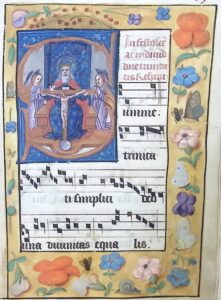
The Dominican House of Studies houses a library that is “meant to foster serious and recollected study in the service of the Gospel.” Indeed, one can find in the library a quiet atmosphere of studiousness as students deepen their learning with scholarly diligence. The library acquires new books every month, but it also maintains a collection of rare books. Father John Martin Ruiz, O.P., head librarian, recently explained some of the special treasures that the Dominican House library holds.
“The library’s Rare Books and Special Collections consist of over 4,300 monographs, including 37 incunabula (books printed roughly between 1450-1500) and 23 manuscripts. These holdings are noncirculating. The rare book collection offers a treasure trove for research in history and in historical theology. Holdings include important works such as a comprehensive 17th-century edition of the complete biblical commentaries by Hugh of St. Cher (Hugo de Sancto Caro), a 13th-century Dominican cardinal, a copy of the Compendium theologicae veritatis, a copy of the Summa Theologica Moralis of St. Antoninus of Florence, early printed editions of Torquemada’s works, as well as other handbooks on trial procedure printed for the use of Inquisitors in Spain, and various contemporaneous Dominican theological responses to the Reformers.”
While many libraries hold rare books, we may ponder what the particular importance of preserving these artifacts might be within the Church. As the Holy See explains, “Thus, library documentation – archival and artistic – represents for the Church an irreplaceable means to put generations, which have encountered the Christian faith and life, in contact with everything that the Christian “event” has produced in history and in human thinking…To protect a book, encourage reading it, and its circulation is thus for the Church an activity very close to – if not to say one with – her evangelizing mission.” This resounds with the overall mission of the Pontifical Faculty of the Immaculate Conception, through study and the cultivation of the intellectual life not for the sake of knowledge, but to contemplate truth and learn how to bring that truth to others. The Holy See cautions against considering that the holdings of ecclesial libraries be considered of minor importance or a mere luxury, because they provide for a “dialogue with humanity” between cultural heritages and Christian realities. A library where future priests are studying is especially significant as it also contributes to the formation of their awareness of the universal Church.
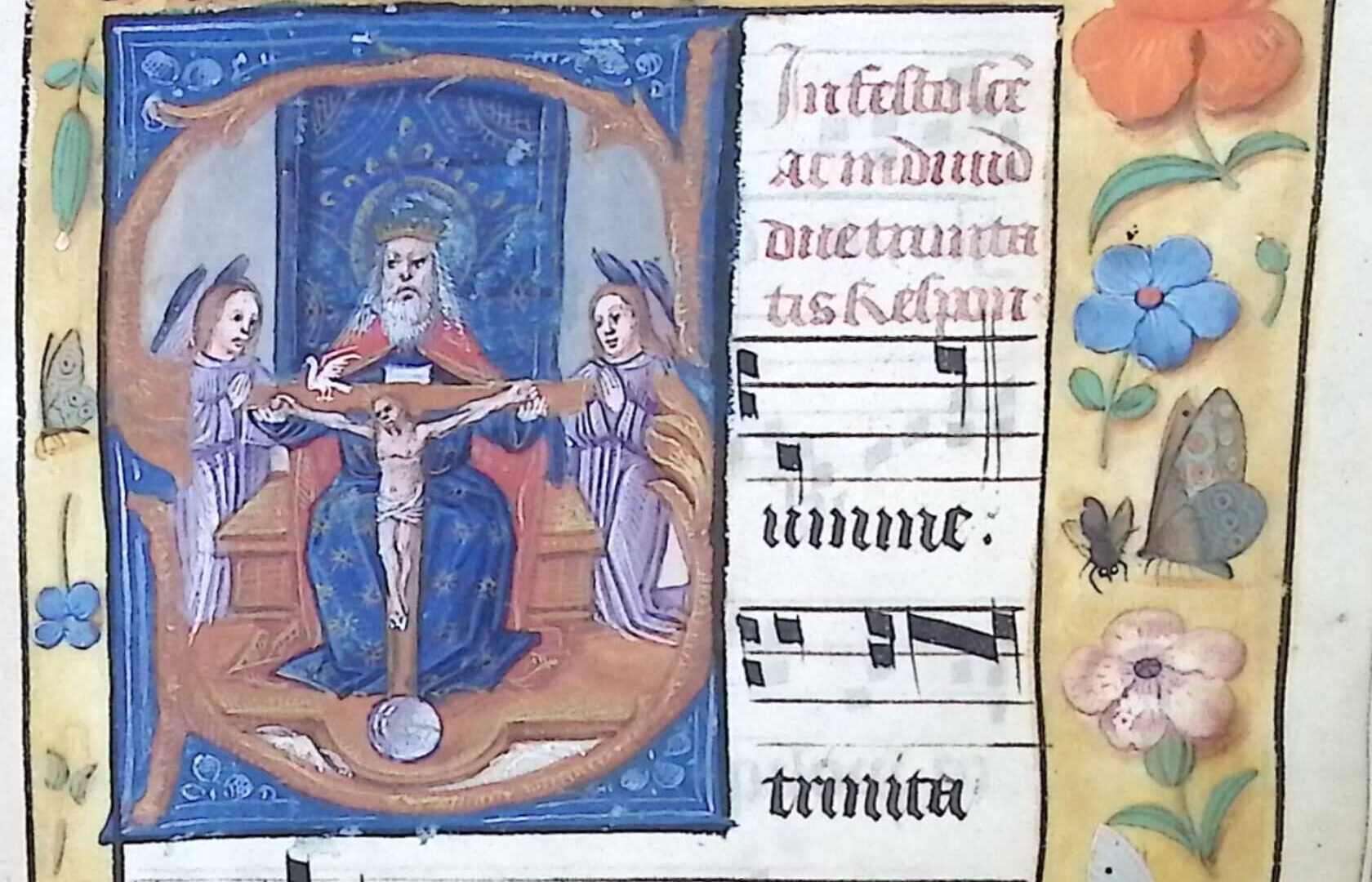
A few of the books in the collection are prayer books, including a beautifully illustrated liturgical manuscript from the 15th century, which once belonged to Father Edward Fenwick, the founder of the Dominican Province of Saint Joseph. Another is a prayer book from colonial Maryland. Preserving such works allows scholars to connect not just with history for its own sake, but also with the rich spiritual traditions, prayers, and beauty of our faith. As Catholics we know that tangible realities around us can convey our minds to transcendent realities. These prayer books, for example, are a reminder of the communion of saints to which we belong. “Faith is a treasure of life which is enriched by being shared (CCC, 949).”
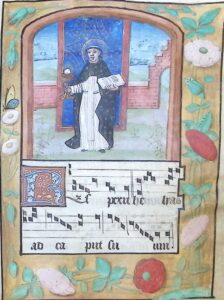
While care must be taken to preserve the rare books collection, Father John Martin and the library staff are preparing to purchase display cases so that the books can be shared on occasion with the wider DHS community. This effort responds to the call of the Holy See to share the rich cultural heritages afforded through library collections and supports the mission of the PFIC to provide ways for students to contemplate our rich Catholic intellectual heritage.
Mass of Saint Thomas Aquinas 2026
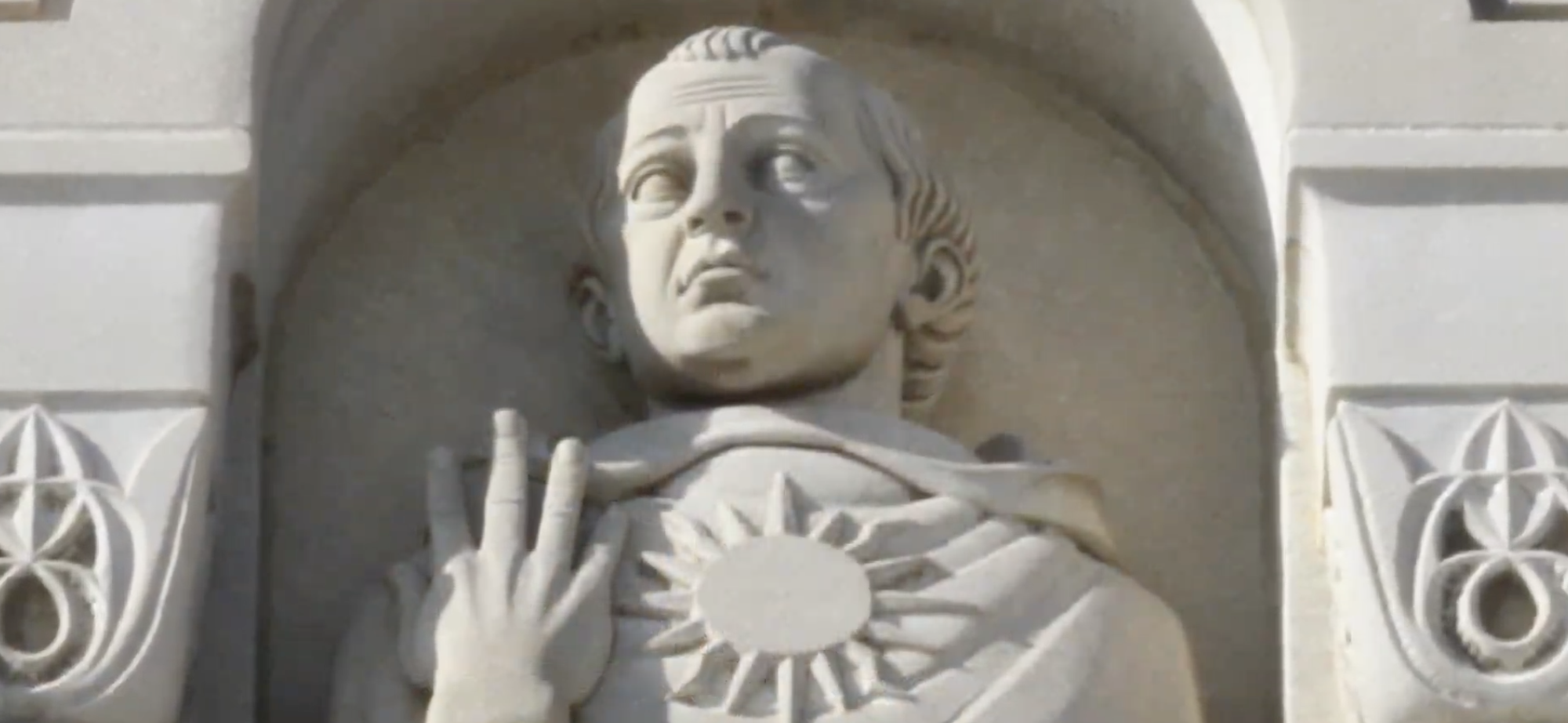
“I pleaded and the spirit of Wisdom came to me.
I preferred her to scepter and throne,
And deemed riches nothing in comparison with her”
Towards the end of the life of St. Thomas Aquinas, he was living at the Dominican priory in Naples and was writing the questions in his famous Summa Theologiae on the Passion and Resurrection of the Lord.
As was his habit, he prayed quite early in the morning in the chapel of Saint Nicholas. The sacristan, Dominic of Caserta, was passing by, and overheard a voice coming from the crucifix: “You have spoken well of me, Thomas, what should be your reward?”—“Non nisi te, Domine — Nothing but you, Lord.”
What I love about this episode is that it helps us see the Aquinas who is not only a towering figure in the history of the Christian intellectual tradition. He is not only a genius in philosophy and theology and a sure guide for our studies.
He is above all a great saint, a man whose entire life was consecrated to Christ and who devoted all of his powers to knowing Christ better and loving him more.
Aquinas teaches us how to use our minds to encounter God. Or to put it another way, he teaches us contemplative wisdom.
What does that mean for the life of a student or a professor – for the life of a great university like the Catholic University of America?
It means that we do not only seek to know something about the highest things, about the first cause of all that is. Aquinas teaches us that the ultimate goal of our study should not be to grasp ahold of such knowledge and put it at the service of our own projects.
Rather, our goal is to know God himself – above all to know Christ and him crucified – this is the highest form of wisdom, and there is no further goal, there is nothing more to be desired than him.
Speaking for myself, my first encounter with Aquinas was in a class taught by Dr. Kevin White here at the Catholic University of America, in the year before I entered the Dominican Order.
I first recognized Aquinas’s writings as a very sophisticated system of thought (Aquinas on the passions of the soul).
But I gradually began to realize that he was describing reality.
And as I then moved into the study of metaphysics, I began to marvel at the way Aquinas was able to help me penetrate more deeply into reality – to carve reality at the joints, as Plato puts it.
I then entered the Dominican Order, not to be a Thomist, but to be a preacher of Jesus Christ in the order founded by that great vir evangelicus, St. Dominic.
As my studies progressed, I discovered that a careful training at the feet of St. Thomas is a powerful means to open the mind not only to the created reality around us, but to encounter the creator who is its source, and who has become man in order to save us.
This path is open to every human being.
But it calls for us to train our minds, even to purify them by study and also by prayer.
Even though we cannot see God face to face in this life, studying the truth – and above all, the truth about God — elevates our spirits, so that it gets some glimpse of the source of all truth, God himself.
This is very worth-while, Aquinas says: “The ability to perceive something of the highest realities, if only with feeble, limited understanding, gives the greatest joy.”1
Grace is seated in the mind, and it heals the mind, purifying it and allowing it to rise up to God. 
Beautiful passage in his John Commentary about Christ and his disciples: a. A friend desires to reveal the secrets of his heart to his friends.
In one of his homilies, Aquinas explained that we celebrate the saints with special feast days in order to honor and thank our friends in heaven, and to ask them for their special help by praying for us.
So St. Thomas Aquinas today offers you his friendship. He is like a great teacher, who not only is learned in his subject, but who cares about his students and goes the extra mile to help them – to be their friend.
So Aquinas is not only our master in the spiritual life, but also is our friend and companion on the way towards God – the journey to God that you are meant to make with your mind, as you study the truth.
He is surely pleased at what is happening at this university, and at Catholic schools around the country, which are entrusted to his heavenly patronage.
He is surely pleased at so many of you, gathered here to honor him and to learn from him.
And he surely will be pleased to intercede for us today, for this university and for all of its students, faculty, staff, friends, and benefactors. H. St. Thomas Aquinas, pray for us! Amen.
January 28, 2026
Basilica of the National Shrine, Washington D.C.
CUA University Mass
1 ScG I, ch. 8 (#49–50).
First Things Article Highlights DHS
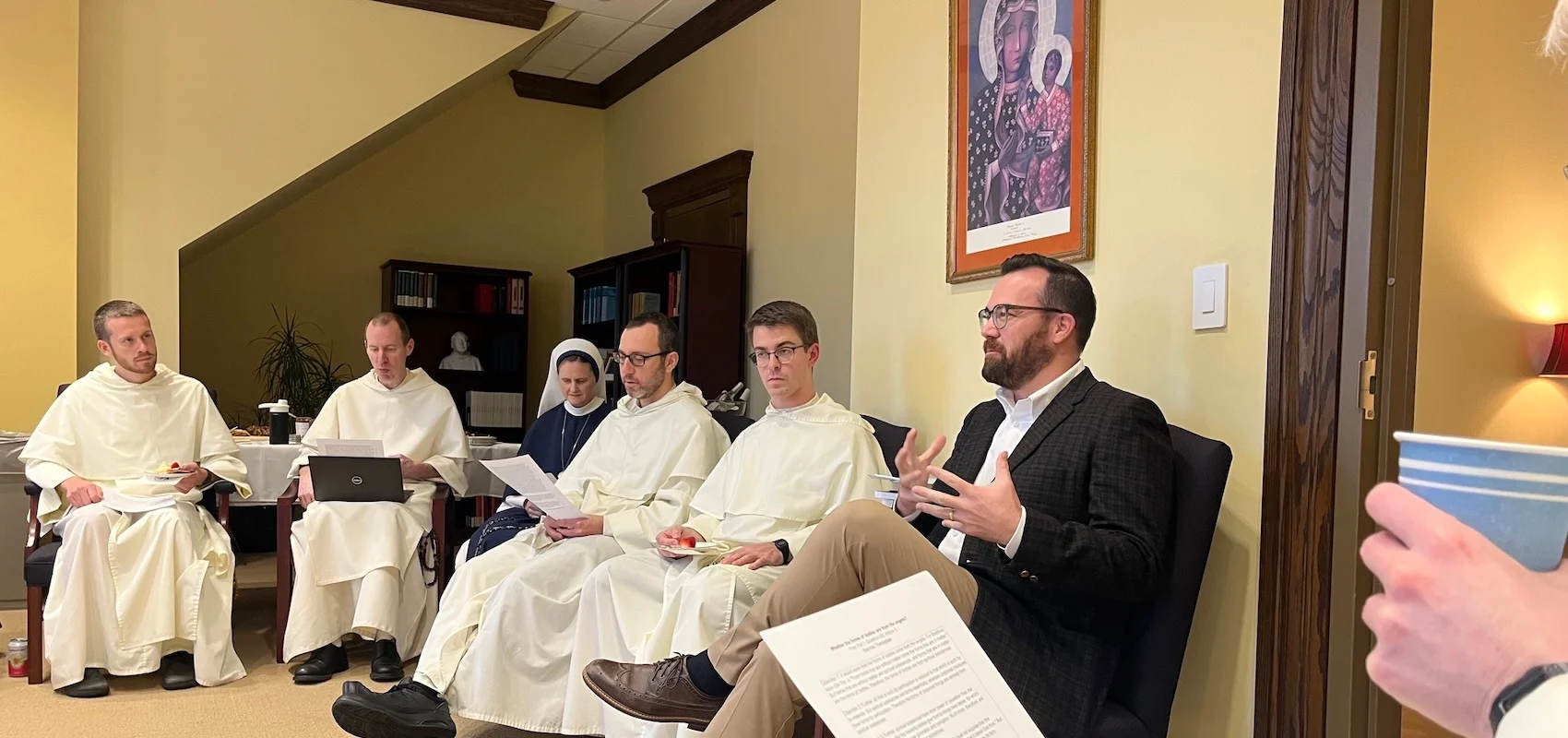
 A recent First Things article, An Anglican in the Dominican House, written by Matthew Barrett, highlights his recent visit to the Dominican House of Studies.
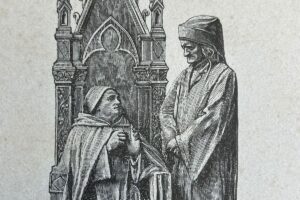
Was Dante a Thomist?
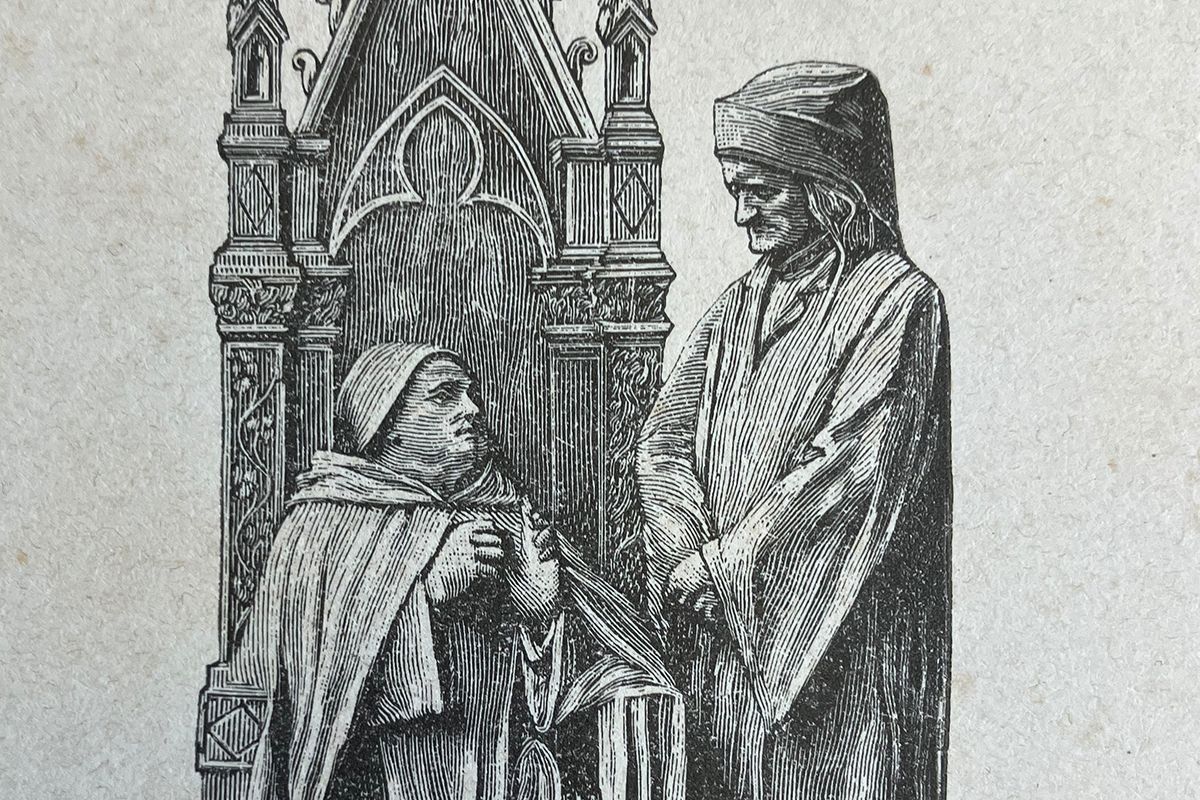
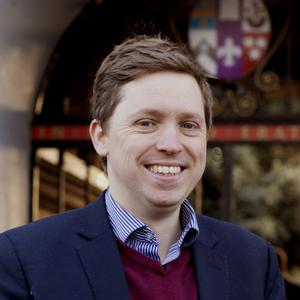
Dr. George Corbett thinks that most Dante scholars have been misunderstanding the Divine Comedy for a century, because of a scholarly prejudice that, in the 19th and 20th centuries, tried to suppress a major strand of interpretation of the great Italian author. Dante was not only a great poet and philosopher, but was a theologian – and, Corbett contends, he was a Thomist.
Today, most interpreters of Dante are ignorant of this tradition of Dante scholarship – and Corbett thinks it is urgent for us to recover it.
Corbett made his case at our annual Aquinas Lecture, organized for the Pontifical Faculty by our Thomistic Institute. He spoke to a capacity crowd at the Dominican House of Studies on January 20, 2026.
He has impressive academic credentials, serving as professor of theology at the University of St Andrews in Scotland, and is recognized as one of the leading contemporary Dante scholars. He has published several scholarly monographs on Dante, and most recently has edited a new translation of Dante the Theologian, by famous Dominican scholar Pierre Mandonnet, O.P. (1858-1936).
For centuries, Dante was regarded as expressing the wisdom of St. Thomas Aquinas in poetic verse. Starting in the nineteenth century, however, scholars began to reject any association of Dante with the Angelic Doctor – and this view was given classic expression by Étienne Gilson.
Corbett marshaled historical, theological, and literary evidence against Gilson’s view, to show that Dante not only knew Aquinas well, but deliberately wrote within a Thomistic framework. He recalled that both Pope Leo XIII and Pope Benedict XV explicitly regarded Dante as a disciple of Saint Thomas, situating the poet firmly within the Thomistic tradition.
As evidence, Corbett pointed out that Dante gave St. Thomas one of the most prominent places in the Divine Comedy, devoting three full cantos to the poet’s encounter with the Angelic Doctor in the Paradiso, far more space than is given to any other figure besides Beatrice, Virgil, and Dante himself. Dante even describes Aquinas’s speech as the perfect likeness of Beatrice, a striking image that underscores Thomas’s role as a supreme theological guide. Most fundamentally, Corbett argued that the very structure of the Divine Comedy—its moral, metaphysical, and theological architecture—is itself Thomistic in character.
An animated question-and-answer period followed, allowing faculty and students to pursue the implications of Corbett’s argument more deeply. The evening concluded with informal conversation over wine and cheese.
The Pontifical Faculty of the Immaculate Conception is grateful to Dr. Corbett for helping us revisit—and discover anew—the Thomism of this great Catholic poet.
Scholarship Opportunities for High-Achieving Students at the Dominican House of Studies


Thomistic Institute Graduate Scholarships
What is the Thomistic Institute?
The Thomistic Institute is an academic institute of the Dominican House of Studies. Its mission is to strengthen the intellectual formation of Christians at universities, in the Church, and in the wider public square. The flagship program of the TI is its campus chapters program, which consists of over 100 university chapters and a network of over 200 distinguished professors in philosophy and theology. This network is a great asset to the students of the DHS.
Through the generosity of its donors, the Thomistic Institute is pleased to offer full-ride scholarships for the following graduate degrees in Theology at the Dominican House of Studies:
- Master of Arts in Theology (MA)
- Licentiate in Sacred Theology in Thomistic Studies (STL)
- Doctorate in Sacred Theology in Thomistic Studies (STD)
- Doctorate in Theology in Thomistic Studies (PhD)
What does a TI scholarship entail?*
- Full tuition
- A living stipend of $20,000 per academic year
- Additional funds to cover academic fees & books
*For the PhD Program: The TI will provide up to four years of funding. If a fifth year of funding is needed, the student can apply for a one-year extension.
Scholarship awardees work up to 8 hours per week on research projects for the DHS faculty, or on Thomistic Institute projects with the TI staff.
Apply by:
- January 8 for the STD or PhD
- January 28 for the STL or MA
To matriculate in the following fall semester
Click here to learn more and apply for a TI ScholarshipPresidential Scholarships
The DHS is pleased to offer a limited number of Presidential Scholarships to students intending to matriculate with us in the Fall.
Scholarships are available for all of our degree programs, and will be awarded based on academic merit and student need. These awards may be partial or full, covering part or all of your tuition and fees. Presidential Scholarships do not include a living stipend.
To be considered for a Presidential Scholarship, you must submit your application for admission to the PFIC by January 8.
In addition to this application, you must send a “Presidential Scholarship Personal Statement” and a current CV to our Student Services Officer, Dr. Rebecca Marisseau, at rmarisseau@dhs.edu, by January 8.
Your personal statement should be:
- 1-2 pages, double-spaced
- 12-point font
- Explain (1) which degree program you are applying for, (2) your qualifications and personal strengths for such a program of studies, (3) why you want to pursue this degree at the Dominican House of Studies, and (4) how you see this degree preparing you for the future you hope for yourself.
Your CV should include your educational background and any relevant professional/volunteer experience, leadership roles, academic honors received, etc. If you have any questions, please contact Dr. Marisseau at rmarisseau@dhs.edu.
Installation Address

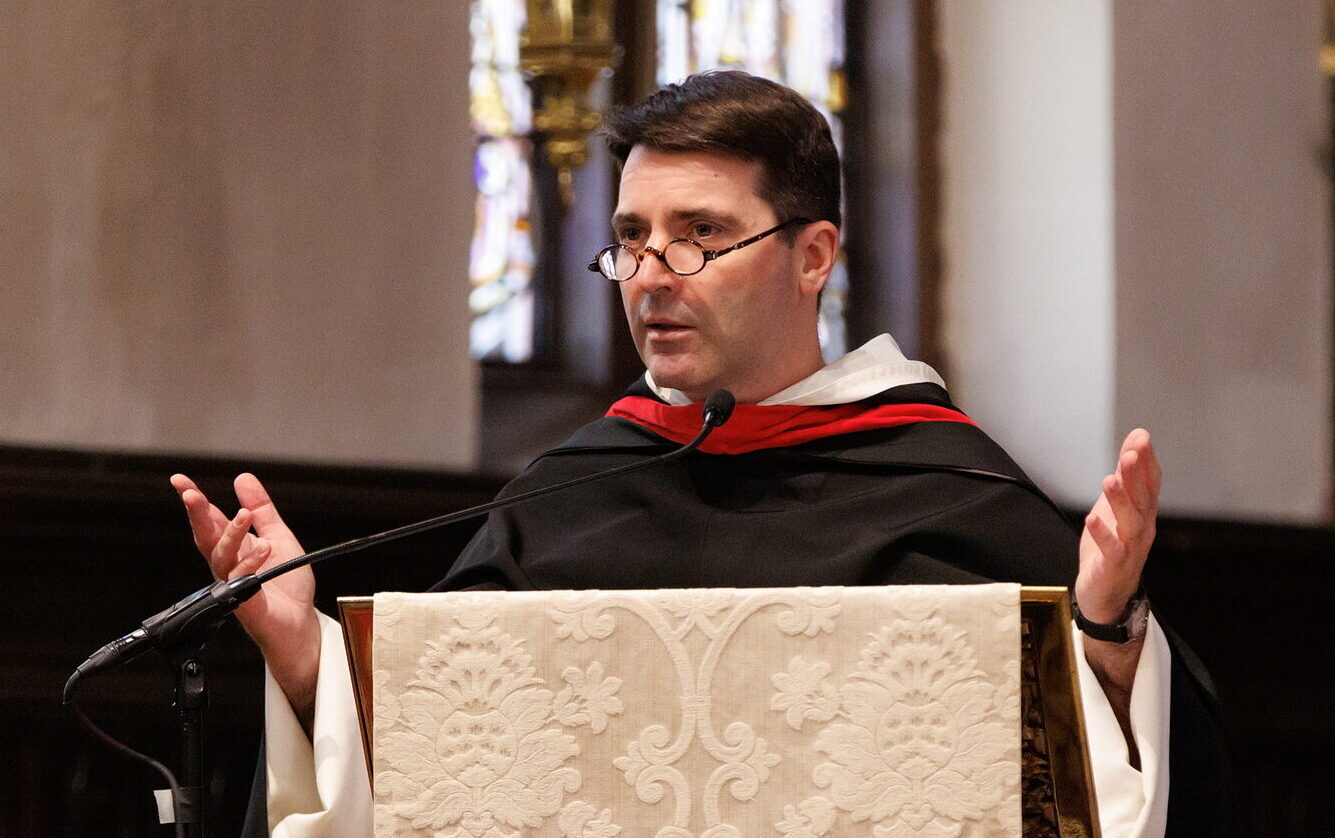
Last month, the Dominican House of Studies celebrated the installation of Fr. Dominic Legge, O.P., as President of the Pontifical Faculty of the Immaculate Conception—a day marked by many graces and a renewed sense of purpose. In his address, Fr. Legge spoke with humility and gratitude about the formation he received at DHS, the enduring guidance of St. Thomas Aquinas, and the vital mission of the Faculty in an age marked by confusion and fragmentation.
His remarks offer a clear expression of why the Dominican tradition matters so much today, and why the work of the Pontifical Faculty is so essential for the life of the Church. For those who wish to read or listen, the full transcript and audio recording of the installation address are provided below.
The motto of the Dominican Order is Veritas: Truth. We are consecrated in the Truth – in the splendor of Truth, by our profession – above all, we are consecrated in Jesus Christ, the Word Incarnate, who is Truth in person.
Since the 13th century, the Dominican Order has held up St. Thomas Aquinas as its greatest teacher, and we at the Dominican House revere him as our master – not simply out of party spirit, because he was a Dominican, but above all because of the depth of his wisdom and the clarity of his teaching.
I think it’s fair to say that he’s classed, and rightly classed, as one of the greatest figures is the Christian intellectual tradition. In his writings and in his life, the splendor of truth shines forth.
Yet Aquinas is brilliant and original not so much in the individual points that he makes. In fact, if you read him carefully, you discover that quite often he relies heavily on his predecessors, on the great tradition in which he stands.
Rather, in my view, Aquinas’s greatness consists especially in the breadth and power of his synthesis, which aims at understanding the whole – that is, it aims at wisdom. Aquinas achieved this synthesis through his surpassing ability to grasp the essential of the arguments of others, even those coming from quite different traditions.
His sources range from the philosophers of ancient Greece and Rome (including the then-newly-discovered texts of Aristotle), Jewish and Muslim thinkers, and the best science of his day, to Sacred Scripture, the Church Fathers and early Church councils, and the widely-diverse views of other medieval philosophers and theologians.
But the value of Aquinas’s synthesis is greater than the sum of its individual parts, precisely because Aquinas aims to offer an overarching and coherent account of the whole of Christian wisdom.
One might imagine that the primary explanation of this was that this medieval Dominican friar was naturally brilliant, one of the greatest minds in history. And I’m sure there is truth to that.
But it is also true, if you read his works and get to know his life, that, for him, the search for wisdom involved a great deal of focused and intense effort.
But it is also true, if you read his works and get to know his life, that, for him, the search for wisdom involved a great deal of focused and intense effort.
It included groundbreaking historical research, philosophical and theological disputations in the heart of the greatest universities of his day, frequent lecturing and teaching, commenting on major works of philosophy and theology, founding a Dominican Faculty of theology in Rome, as well as his own ambitious writing projects
At the same time, he never thought of this as a merely academic project or a scholarly exercise.
Rather, the search for wisdom was, rather, a central and organizing theme for his life as a whole.
And it is here that I think we find a key secret ingredient – or, perhaps better, an invisible yet powerful principle – to his wonderful success in the pursuit of wisdom.
Aquinas knew that this search required much of him, but that in the end, wisdom is a gift from above, a gift from God, a gift of grace, and a gift that calls for a whole way of life.
It is precisely to this project that this Pontifical Faculty is dedicated.
We are gathered here in a Dominican Studium – a house of the Order, and a Theological Faculty consecrated to the study of Sacred Truth.
We are in this beautiful chapel which, for the past 120 years, has been hallowed by prayer and worship, as generation after generation of teachers and students have stepped away from their labors of the desk, the library, and the classroom, to encounter the living Word of Wisdom in this sacred place.
Our Dominican constitutions have something important to say about the mission of such an institution. They affirm that, by our study, we are drawn into the contemplative life as we ponder the wisdom of God. Sacred study also equips us for the doctrinal service of the Church, so that we can proclaim the Gospel to the world.
This pattern comes from St. Dominic himself. In founding the Order, he “linked study to the ministry of salvation.” He directed the first Dominicans to the just-emerging universities, and “sent them ‘to study, preach and establish priories’ in the larger cities.”
This is the reason why, in 1905, our province moved our Faculty from Ohio to Washington, D.C., our nation’s capital, to this Dominican House of Studies across the street from the new Catholic University of America, founded by the U.S. Bishops to elevate the intellectual life of this great nation.
On this past Saturday, friars from our Province organized the third annual Dominican Rosary Pilgrimage.
Perhaps some of you were there. We had over 3000 people packed into the Shrine across the street. It was amazing and consoling. It was a beautiful day of pilgrimage and prayer. Many of us heard confessions for hours. And dozens of us could not keep up with the demand. There were so many graces on offer.
At one point during the program, as I sat in a pew with the other friars and listened to the preacher – one of our brothers – I was powerfully moved, moved to the point of tears.
Where has this event come from? It is obviously a work of God, a fruit of grace. It obviously, so surpasses anything that any of us could have arranged, from our own power.
And then it struck me, thinking about this day, that this event emerged from the work of our alumni, of graduates of this faculty. It was shaped in the beginning, I think, from their prayers and their worship in this chapel. Fr. Joseph Anthony Kress and Fr. John Paul Kern and the other priests – young priest – who conceived, organized, and so excellently executed it were not very long ago student brothers here, sitting in our classes!
Is this not the way God works? He gives new life to his Church, and through it, to the world, by means of unworthy and lowly instruments. humble place. A small place can have an enormous impact. It is like a mustard seed, which looks very small, but grows into a great tree where the birds of heaven make their home. And isn’t this the way God’s life works?
This supernatural life, once it is planted, takes root and grows with a trajectory and a beautiful dynamic of its own, in ways we might not expect. It’s like a child who grows up and becomes something that we never imagined. It bears new fruits that we did not foresee, and it generates new life yet again.
I feel like we, the faculty and students of the Dominican House of studies, stand in a very privileged place because we did not create this. We received it. We inherited it through no merits of our own and nothing that we did. Now we see the way God is giving life, giving life to so many, in ways that we can’t account for, but that we get to be associated with in some small way.
Think of all of the wonderful works and good things that we can see before our eyes that are happening around us. Things that the recent graduates of this school are doing.
Think of:
- Godsplaining – the successful podcast of a group of our graduates
- The Thomistic Institute, which now has 106 chapters on secular campuses around the country, and 26 pending requests to start new ones. Through the TI, our faculty is literally having a global impact, with new programs that have begun or that are now starting in Mexico, Brazil, Argentina, Australia, E. Africa, Indonesia, Vietnam, the Czech Republic, Ireland, England, Scotland, and Germany.
- The Hillbilly Thomists, our bluegrass band.
- The renewal at the Angelicum, which is after all being led by one of our alumni, with the help of 11 other friars from our province.
- And new things are starting all the time. Just this past summer, a group of student brothers began a new apostolate- a traveling parish preaching apostolate on Long Island, where we accepted a parish from the diocese just recently.
All of these things have emerged, in a sense, from this Faculty, and have been nourished from this altar here in this chapel.
Now, we are not worthy of any of this. It obviously surpasses anything that, of our own powers, we could ever accomplish. Nor will it be of any value unless it comes from God and leads others back to him.
What, then, is the task set before us? Well, let me turn back to our master Saint Thomas Aquinas.
In his many works, he exhorts his students to pursue this highest wisdom, with all of their strength and with every resource of their minds. That is, he exhorts us today, he exhorts you: pursue the wisdom of God, make it your most precious treasure, let it guide every action of your life. Or, to put it another way, seek above all to know and to love God who is eternal Wisdom.
St. Thomas Aquinas would tell you that this is the mind’s very purpose. It is why God made you. And it is the true goal of any intellectual life – and, rightly understood, of the Christian life itself.
Indeed, St Thomas devoted himself to this. He’s our great model. Let me quote to you the beautiful and, unusually personal, words that he wrote at the beginning of his great work, the Summa Contra Gentiles. Let us make his desire our own:
“Therefore, with trust in divine mercy, pursuing the task of a wise man (although this surpasses our own powers), the proposal of our intention is to make clear (in our own small way) the truth which the Catholic faith professes, eliminating the contrary errors, so that I might truly say: “I owe this to God as the greatest task of my life, that my every word and thought would speak of him.”
SCG I, c. 2
What a marvelous motto for each one of us.
I propose it to you, professors, students, staff, and friends of the Pontifical Faculty of the Immaculate Conception at the Dominican House of Studies. I propose it as the greatest task of this institution – to speak of God and to draw others to him.
May our patroness, the Blessed Virgin Mary, obtain this for us by her prayers, and may almighty God, who is the source of this holy inspiration, bring to completion the good work he has begun here at the Dominican House of Studies.
Fr. Dominic Legge
Dominican House of Studies
October 3, 2025
Presidential Installation Address
New President Named!
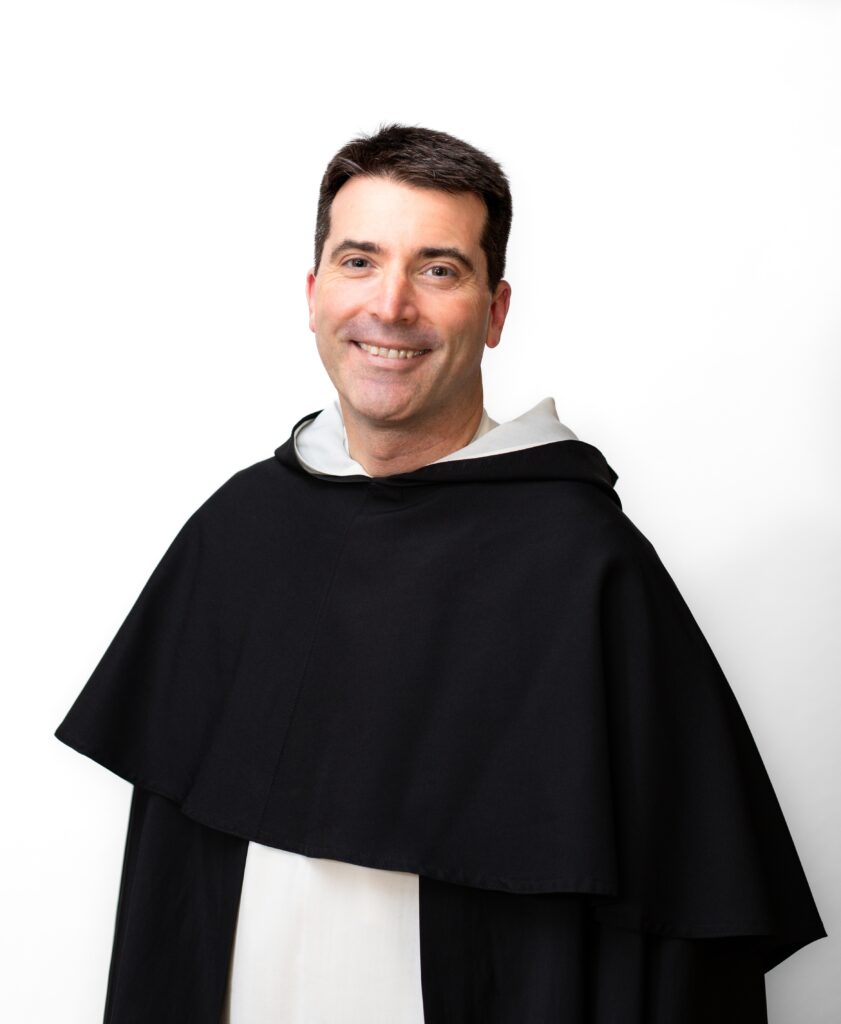
Rev. Dominic Legge, OP Named Next President of the Pontifical Faculty
Father Dominic Legge, OP, the Director of the Thomistic Institute, will become the new President of the Pontifical Faculty at the Dominican House of Studies on July 1st. This comes after having been recommended by the Board of Trustees and nominated by the Chancellor of the school, Father Gerard Timoner, OP, the Master of the Dominican Order. His appointment was approved by the Holy See’s Dicastery for Culture and Education on March 21st.
Father Legge entered the Dominican Order in 2001 and was ordained to the priesthood in 2007. He joined the faculty in 2014. He holds a J.D. from Yale Law School, a licentiate in philosophy from the Catholic University of America, a licentiate in Sacred Theology from the Pontifical Faculty, and a doctorate in Sacred Theology from the University of Fribourg in Switzerland. He is an Ordinary Member of the Pontifical Academy of St. Thomas Aquinas. He is the author of The Trinitarian Christology of St. Thomas Aquinas (Oxford University Press, 2017), and numerous articles and book chapters on the thought of Aquinas.
A frequent lecturer both nationally and internationally, Father Legge brings a wide range of experience in administration, teaching, preaching, and scholarship.
Speaking about his new role, Father Legge said: “I am deeply honored to be named as the President of our Pontifical Faculty. Under Fr. Petri’s leadership, the school has become stronger and better, in continuity with a long tradition of excellence in teaching sacred truth. I am looking forward to building on this legacy in order better to serve the Dominican Order and the Church in the proclamation of the Gospel in our time.”
Hearing of the Holy See’s approval of Father Legge’s appointment, the current President, Father Thomas Petri, OP, commented, “By the grace of God, the Pontifical Faculty at the Dominican House of Studies has become a lodestar for clarity in teaching and preaching the Gospel of Jesus Christ. I couldn’t be more proud of our faculty, staff, and students. I am confident the school will continue to thrive with Father Legge’s leadership in the years to come.”
Father Petri served in the administration of the Pontifical Faculty for twelve years, first as the Dean and then as President of the school. Among many accomplishments, his tenure was marked by solidifying the internal operations of the school, working with the faculty to elevate the standards of the various degree programs, and successfully navigating the requirements of both the 2012 and 2022 accreditation cycles, particularly with regard to programmatic and outcomes assessment.
Most notably, as President, he successfully cultivated a network of friends and benefactors to share in the mission of the School by supporting it financially. This included a transformative initiative that more than doubled the school’s endowment.
When his term ends on June 30th, Father Petri will take a sabbatical and eventually return to Washington, DC, where he will begin an apostolate with Catholic media.